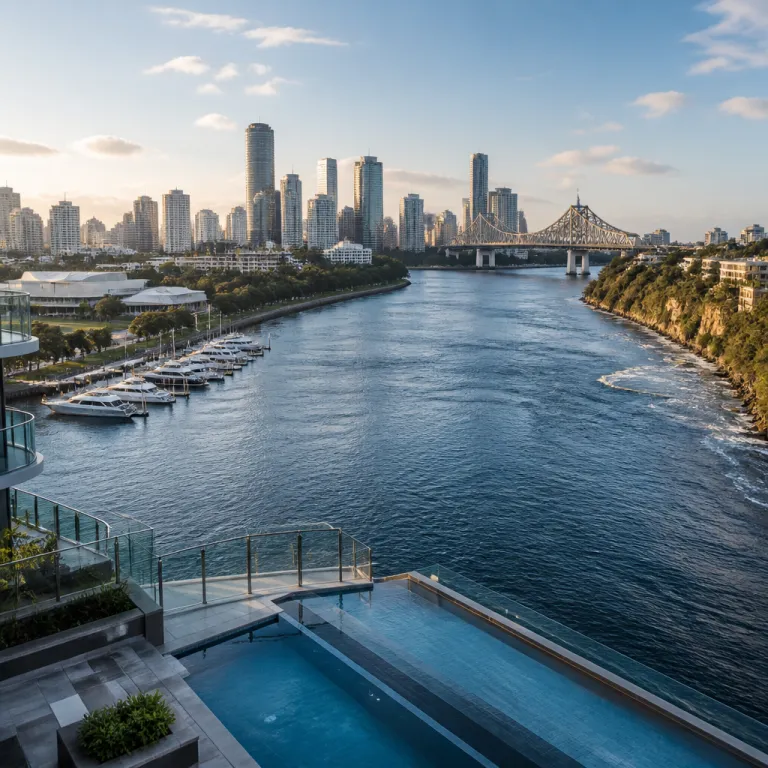
Reading the river: how Brisbane’s shape decides your stay
The question of where to stay in Brisbane starts with the river. This subtropical city wraps around a sweeping waterway, and the curve of the Brisbane River quietly dictates which hotels feel central, which feel resort like, and which offer the most cinematic river views. When you plan your stay across Brisbane, think less about a single downtown and more about a necklace of neighbourhoods strung along the water, each with its own rhythm and its own style of hotel.
Luxury hotels in Brisbane cluster in a few key pockets of the city, and choosing between them matters more here than in Sydney or Melbourne. In those cities, most luxury hotels sit in one compact precinct, while in Brisbane the best addresses stretch from South Bank to Fortitude Valley, from the Brisbane CBD to Kangaroo Point and the Howard Smith Wharves riverfront. That spread creates real choice for travellers, but it also means your decision about where to base yourself will shape everything from your morning coffee ritual to your sunset walk along the river.
Think of the Brisbane CBD as the geographic anchor, with Queen Street and the InterContinental Brisbane forming a polished business and shopping core. Just across the river, South Bank and South Brisbane offer cultural institutions and family friendly promenades, while upstream Fortitude Valley and New Farm lean into nightlife, dining and design forward hotels. Downstream, Kangaroo Point and the Howard Smith Wharves precinct bring cliff top paths, dramatic river views and easy access to the Crystalbrook Vincent and other characterful Brisbane hotels that sit almost under the Story Bridge.
Because the river bends sharply, two hotels that look close on a map can feel worlds apart in travel time. Ferries, riverwalks and bridges define how quickly you can move between accommodation options, and they also explain why a property with a direct riverside path can feel more convenient than one technically closer to the CBD grid. When you weigh different areas, factor in not just distance but whether you will have easy access to CityCat ferries, shaded river walks and safe crossings for children.
For premium families, the right neighbourhood can also help you save money without sacrificing comfort. A Brisbane hotel in South Bank might reduce transport costs because you can walk five to ten minutes to GOMA, QPAC and the riverside playgrounds, while a stay in Fortitude Valley could cut ride share spending if your evenings revolve around James Street dining. The key is to match your travel style to the city’s curves, then choose from the many luxury hotels that line the river in ways both obvious and quietly strategic.
South Bank and South Brisbane: cultural heart with resort energy
If your idea of where to stay in Brisbane involves art, theatre and riverside promenades, South Bank and South Brisbane should sit at the top of your list. This south of the river precinct combines the Gallery of Modern Art, QPAC and the Queensland Museum with leafy paths, playgrounds and a skyline that glows softly at dusk. Families in particular find this one of the best places to stay because the city feels close yet the atmosphere leans relaxed and walkable.
South Bank’s hotel scene ranges from polished international brands to independent properties that behave like urban resorts, with pools, generous rooms and terraces that catch the river breeze. Many South Brisbane hotels sit just a few minutes’ walk from the river, which means you can move between cultural venues, the South Bank parklands and your hotel pool without ever needing a car. Typical nightly rates for premium properties here often sit in the upper mid to luxury band, especially during school holidays and major events.
Look for hotels along Grey Street and the streets running back towards Fish Lane, where dining has become a serious reason to stay in this part of the city. Properties here often offer interconnecting rooms and family suites, and several have rooftop pools with views across to the Brisbane CBD skyline and the Story Bridge. When you compare South Bank hotels, pay attention to whether the pool has shade during the middle of the day, as the subtropical sun can be intense even outside peak summer.
From South Bank, it is a short ferry ride from South Bank or South Brisbane terminals across the river to Kangaroo Point or upstream towards the Howard Smith Wharves and the Crystalbrook Vincent, which opens up more dining and bar options without changing hotels. The river views from the South Bank promenade are some of the best in Brisbane city, especially at night when the bridges light up and ferries trace slow arcs along the water. Because you have such easy access to ferries and South Brisbane and South Bank train stations, this is also one of the most convenient districts for travellers who prefer not to drive.
Families weighing options between South Bank and the CBD should consider noise and late night activity as well as distance. South Bank tends to quieten earlier, while still offering a great choice of casual restaurants and gelato spots along Little Stanley Street and Grey Street. For many premium travellers, that balance of culture, calm and riverfront energy makes South Brisbane and South Bank the answer when they ask where to stay on a first or second visit.
For a deeper look at how this riverside entertainment precinct is evolving, including plans that will influence future hotel options, read the detailed analysis of the Howard Smith Wharves expansion and its impact on luxury stays in the dedicated article about the Howard Smith Wharves development.
Fortitude Valley and New Farm: design, dining and after dark energy
Travellers who care as much about breakfast culture and late night bars as they do about museums usually find their answer to where to stay in Brisbane in Fortitude Valley and New Farm. This is the creative quarter of the city, a place where converted warehouses sit beside new builds and where the streets around James Street feel like a curated open air design gallery. When you stay in this pocket, you trade some of the CBD’s corporate polish for a more textured, lived in energy.
The Calile Hotel on James Street has become the reference point for luxury hotels in this part of Brisbane, with its mid century tropical design, pale stone pool deck and rooms that open onto private terraces. Around it, other Fortitude Valley hotels offer everything from rooftop pools with skyline views to compact rooms designed for travellers who spend more time out than in. This is also where you will find some of the best Brisbane hotels for access to independent fashion, galleries and a bar scene that runs from low key wine rooms to high energy rooftops.
Fortitude Valley’s streets can be lively late into the night, so families should choose carefully when deciding where to stay in this area. Properties slightly removed from the main entertainment streets, or closer to New Farm, often provide quieter rooms while still keeping you close to the action. New Farm itself, with its riverfront park and the Brisbane Powerhouse arts centre, offers a softer version of the valley, and some travellers treat it as one of the most appealing places to stay even though it has fewer traditional hotels.
From Fortitude Valley station, it is an easy walk or short ride to the Howard Smith Wharves, where the Crystalbrook Vincent sits almost under the Story Bridge with dramatic river views and direct access to the riverwalk. This cluster of dining and bar options along the water has become a major reason people choose a hotel in the valley rather than in the CBD. If you are planning evenings that move from rooftop bar to riverside restaurant, this neighbourhood pairing of Fortitude Valley and New Farm makes a compelling answer to the question of where to stay across Brisbane.
Business travellers extending a work trip often split their time between a Brisbane CBD property and a night or two in Fortitude Valley, using the latter for a more relaxed end to their stay. When you compare these places to stay, remember that the valley’s train station connects directly to the airport via the Airtrain, which can help you save money and time on transfers. For broader context on how regional travel patterns influence luxury hotel choices, including why some travellers route through Sydney before arriving in Brisbane, a separate analysis of BreakFree on George in Sydney and its relevance to Brisbane bookings offers useful perspective for industry readers.
Among frequent visitors, one expert summary captures the appeal clearly: "Fortitude Valley offers top luxury hotels and dining." That assessment aligns with what you feel on the ground, where the combination of design forward hotels, strong restaurant openings and easy access to both the river and the CBD makes Fortitude Valley one of the best answers to where to stay in Brisbane for repeat travellers.
CBD and Queen Street: central convenience and business polish
For travellers who prioritise centrality, the Brisbane CBD and the streets around Queen Street remain the classic answer to where to stay in Brisbane. This is the city’s commercial core, a compact grid where office towers, shopping arcades and major transport links sit within a few minutes’ walk of most hotels. If your plan includes early meetings, quick access to the courts or a tight schedule of events, the CBD’s efficiency is hard to beat.
InterContinental Brisbane on Elizabeth Street brings a design centric take to the traditional business hotel, with a rooftop pool and bar that look across the city skyline. Nearby, W Brisbane on North Quay leans into contemporary luxury, with bold interiors, a strong pool scene and river views from many rooms that remind you this is a river city first and a business hub second. These properties, along with other Brisbane hotels in the CBD, offer the kind of meeting spaces, executive lounges and concierge services that premium corporate travellers expect.
Queen Street Mall anchors the retail side of the CBD, and staying close to it gives you easy access to shopping, dining and transport connections, including buses and Central and Roma Street train stations for airport links. When you evaluate options in this part of Brisbane city, consider whether you want a river facing room on North Quay or a more inward facing property closer to the mall, as the feel of your stay can change significantly. River views cost more, but for many travellers the ability to watch ferries move along the water at dusk justifies the premium.
The CBD also works well for families who want a central base but plan to spend days exploring South Bank, Fortitude Valley and Kangaroo Point. Ferries and bridges link these neighbourhoods, and a hotel in the CBD can function as a hub from which you radiate out each day. Because public transport coverage is strong here, you can often save money by skipping car hire and relying on trains, buses and ferries instead.
One strategic detail often overlooked is how close some CBD hotels sit to the riverwalk that leads towards the Howard Smith Wharves and the Crystalbrook Vincent. Choosing a Brisbane hotel with direct access to this path effectively extends your neighbourhood, giving you an evening stroll that ends at one of the city’s most atmospheric dining precincts. For travellers comparing places to stay across multiple Australian cities, an in depth look at how a property like BreakFree on George in Sydney shapes expectations can help frame what you value most in a central Brisbane stay, even though it sits in a different market.
When you balance all these factors, the CBD emerges as the best answer to where to stay for travellers who want maximum connectivity, polished service and a straightforward commute to both the airport and major venues. It may not have the resort like feel of South Bank or the creative buzz of Fortitude Valley, but for many itineraries that centrality is exactly what makes it the right choice.
Kangaroo Point, Teneriffe and Woolloongabba: emerging edges and local texture
Once you have considered the obvious answers to where to stay in Brisbane, it is worth looking at the city’s emerging edges. Kangaroo Point, Teneriffe and Woolloongabba offer a different kind of luxury, one built around local dining, warehouse conversions and quieter streets rather than grand lobbies. These neighbourhoods suit travellers who have visited Brisbane before or who prefer to feel like temporary residents rather than hotel guests.
Kangaroo Point sits directly across the river from the CBD, with cliffs that drop to a riverside path and some of the most striking river views in the city. Accommodation here ranges from serviced apartments to premium hotels, and many rooms look back across the water to the Brisbane CBD skyline. For families, this can be one of the best places to stay because you are close to the city yet enjoy parks, walking paths and easy access to ferries that cross to South Bank and the Howard Smith Wharves.
Teneriffe, further along the river from New Farm, has evolved from a wool store district into one of Brisbane’s most desirable residential suburbs. While it has fewer traditional hotels, it offers high end apartments and smaller properties that appeal to travellers seeking longer stays and a more local rhythm. Cafés, river walks and proximity to the CityCat ferries at Teneriffe and New Farm Park make this a compelling answer to accommodation questions for visitors who value lifestyle over formality.
Woolloongabba, meanwhile, is shifting from a stadium suburb into an emerging lifestyle precinct, helped by infrastructure linked to upcoming Olympic venues and new transport projects. Here you will find a mix of character homes, new developments and a growing number of dining options that make it one of the more interesting places to stay for travellers who like to be ahead of the curve. From Woolloongabba, it is a short ride to both the Brisbane CBD and South Bank, which means you can enjoy local streets while still having easy access to the main cultural and business hubs.
Across these neighbourhoods, the river remains the quiet organiser of your stay. Properties that sit close to the water or within a short walk of ferry terminals often feel more connected than those technically nearer to the CBD but cut off by major roads. When you compare Brisbane hotels and apartments in these areas, pay attention to how quickly you can reach the riverwalks that lead towards the Howard Smith Wharves, the Crystalbrook Vincent and the dining clusters under the Story Bridge.
For premium families, these emerging neighbourhoods can also help you save money compared with headline luxury hotels in Fortitude Valley or the CBD. You may trade a rooftop pool for a local park and a quieter street, but you gain space, kitchen facilities and a sense of living within Brisbane city rather than just visiting it. That trade off often suits longer stays, especially when combined with targeted nights at properties like the Emporium Hotel or The Calile Hotel to bookend a trip.
Choosing by persona: matching neighbourhoods to how you travel
Once you understand the geography, the question of where to stay in Brisbane becomes a matter of matching neighbourhoods to your travel persona. Couples, families, solo travellers and business guests all experience the same city differently, and Brisbane’s spread of luxury hotels allows you to lean into that. Thinking clearly about how you will use your hotel each day is the most reliable way to choose between the many places to stay along the river.
Premium families often find South Bank and South Brisbane the best fit, thanks to their combination of cultural institutions, playgrounds and easy river access. A hotel in this precinct means you can walk to GOMA, QPAC and the South Bank parklands, then retreat to a pool with river views in the late afternoon. Interconnecting rooms, family suites and proximity to casual dining along Grey Street and Little Stanley Street make logistics simpler, which in turn helps you save money and energy.
Couples who prioritise dining, design and nightlife usually gravitate towards Fortitude Valley, New Farm and the Howard Smith Wharves. Staying at The Calile Hotel, the Emporium Hotel or the Crystalbrook Vincent places you close to some of the city’s best restaurants, bars and galleries, with easy access to the riverwalks that connect these precincts. For these travellers, the answer to where to stay often revolves around which streets they want to walk at night rather than which attractions they plan to visit by day.
Business travellers and conference guests tend to favour the Brisbane CBD and Queen Street, where hotels like InterContinental Brisbane and W Brisbane offer strong meeting facilities and quick connections to transport. Here, the priority is usually easy access to offices, courts and event venues, with river views and rooftop pools as welcome bonuses. Many of these Brisbane hotels also work well for short family stays, especially when you plan to spend days exploring South Bank and evenings along the river.
Solo travellers and long stay guests often look to Kangaroo Point, Teneriffe and Woolloongabba for a more residential feel. Apartments and smaller hotels in these neighbourhoods provide space to work, cook and settle in, while still keeping you close to the river and within a short ride of the CBD. When you weigh where to stay across Brisbane for this kind of trip, consider how often you will want to visit different parts of the city and choose a base with easy access to ferries or frequent buses.
Whatever your persona, one constant remains: the river shapes your experience of Brisbane city, and hotels that engage with it tend to feel more memorable. When you compare luxury hotels, look beyond room size and brand to ask how the property connects you to the water, the streets and the neighbourhood cafés you will actually use. For help planning your evenings once you have checked in, the neighbourhood bar guide on where to drink in Brisbane after check in offers a detailed look at the best bar options by area, which can further refine your choice of where to stay.
Practicalities: transfers, transport and making the river work for you
Even the most beautifully designed hotel feels less appealing if your transfers are clumsy, so the final piece of where to stay in Brisbane is practical. The airport sits around 15 to 20 kilometres from most central hotels, and travel time commonly ranges from about 20 to 35 minutes depending on traffic and whether you use the Airtrain. Choosing a Brisbane hotel with easy access to train stations or major roads can shave minutes off each journey and make early flights less stressful.
For many visitors, the Airtrain to the Brisbane CBD or Fortitude Valley offers the best balance of speed and cost, especially if you are travelling light. From the CBD, it is a short taxi or rideshare to South Bank, Kangaroo Point or the Howard Smith Wharves, which means you can often save money compared with a direct car transfer. Families with more luggage may prefer a pre booked car, particularly if they are heading straight to South Brisbane or to apartments in Teneriffe or Woolloongabba.
Once you are in the city, public transport coverage is strong across the inner suburbs, but the river ferries are what make Brisbane feel distinctive. CityCat and CityHopper services link South Bank, the Brisbane CBD, Kangaroo Point, New Farm and beyond, turning the river into a moving footpath between hotels and attractions. When you plan where to stay, check how close your chosen property sits to a ferry terminal, as this can transform the feel of your time in Brisbane.
Walkability also varies by neighbourhood, and this should influence your decision about where to stay on the river. South Bank, New Farm and Teneriffe excel for riverside walks and safe paths, while the CBD offers compact blocks and direct routes to shopping and offices. Fortitude Valley and Woolloongabba have more varied streetscapes, with some areas feeling lively and others quieter, so it pays to look closely at maps and recent reviews when choosing between specific Brisbane hotels.
Parking costs can add up quickly, especially at luxury hotels in the Brisbane CBD and Fortitude Valley, so travellers who plan to hire a car should factor this into their budget. In some cases, staying slightly outside the core and using public transport for city days can help you save money while still enjoying high quality rooms and facilities. This is particularly true for longer trips where a mix of central and edge neighbourhood stays can balance convenience and cost.
Finally, remember that the best places to stay are not always the most obvious, and that Brisbane city rewards travellers who think in terms of neighbourhoods rather than just brand names. Whether you choose the river views of the Crystalbrook Vincent, the resort like pool deck of The Calile Hotel, the polished service of the Emporium Hotel or the cultural proximity of a South Bank property, aligning your choice with how you move through the city will always deliver the most satisfying answer to where to stay in Brisbane.
Key figures for luxury stays in Brisbane
- South Bank and South Brisbane attract millions of visitors each year, according to tourism summaries from Visit Brisbane, which underlines why this riverside cultural precinct supports a dense cluster of hotels and dining options.
- Travel times from Brisbane Airport to central hotels typically range between 20 and 35 minutes by car or train, based on indicative journey estimates from local transport providers and mapping tools, making the city one of Australia’s more accessible capitals for short business stays and weekend breaks.
- The main inner city neighbourhoods for luxury hotels — Brisbane CBD, South Bank, Fortitude Valley, New Farm and Kangaroo Point — all sit within roughly 5 kilometres of each other, a distance confirmed by standard city maps, which allows travellers to sample multiple precincts in a single stay.
- Recent tourism reporting from Visit Brisbane and Tourism Australia highlights steady growth in inner city visitation, reflecting a broader rise in demand for personalised and design led luxury accommodations across Brisbane city.
FAQ: where to stay in Brisbane for luxury and premium trips
Which Brisbane neighbourhood is best for luxury travellers ?
Fortitude Valley is often considered the best neighbourhood for luxury travellers because it combines design forward hotels like The Calile Hotel with high end dining, galleries and easy access to the Howard Smith Wharves and the Crystalbrook Vincent. South Bank and the Brisbane CBD also offer strong luxury options, particularly for families and business travellers. Many visitors split their stay between these areas to experience both cultural and nightlife focused precincts.
What is the most luxurious hotel in Brisbane ?
The Calile Hotel on James Street in Fortitude Valley is widely regarded as Brisbane’s most luxurious property, thanks to its mid century tropical design, resort style pool deck and carefully curated retail and dining surrounds. Other contenders include the Emporium Hotel in South Bank and W Brisbane on North Quay, both of which offer premium rooms, strong dining and impressive river views. The right choice depends on whether you prioritise design, location or amenities such as spa facilities and rooftop pools.
Are there luxury accommodations near Brisbane’s cultural sites ?
Yes, South Bank and South Brisbane offer several luxury and premium hotels within walking distance of major cultural institutions such as GOMA, QPAC and the Queensland Museum. Staying in this precinct allows you to move easily between exhibitions, performances and the riverside parklands without relying heavily on transport. It is an especially strong choice for families and culture focused travellers who want a relaxed, walkable base.
Is it better to stay in the Brisbane CBD or South Bank ?
The Brisbane CBD suits travellers who prioritise business access, shopping and transport connections, while South Bank works better for those who value riverside walks, cultural venues and a more resort like feel. Both areas are close, linked by bridges and ferries, so you can move between them easily during your stay. For many visitors, the decision comes down to whether evenings will revolve around Queen Street and corporate venues or around South Bank’s dining and riverfront promenades.
Do I need a car for a luxury stay in Brisbane ?
Most luxury travellers do not need a car if they stay in inner city neighbourhoods such as the Brisbane CBD, South Bank or Fortitude Valley, because public transport and rideshares cover these areas well. Ferries along the river provide a scenic way to move between key precincts, and many attractions sit within walking distance of major hotels. A car becomes more useful only if you plan day trips to the hinterland, the Sunshine Coast or the Gold Coast during your stay.
Sources and further reading
- Visit Brisbane – tourism statistics and neighbourhood guides for Brisbane city.
- Queensland Government – transport and infrastructure information for Brisbane and surrounding regions.
- Tourism Australia – national insights on luxury travel trends and visitor behaviour in Australian cities.